theBASSguys original approved sunset masthead with Lund bass boat, oval logo and Real Fishing Experience. Real Gear Advice. tagline
Freshwater Bass Fishing · Baits & Techniques

Bass Fishing Scents & Bait Attractants

Do scented baits actually help catch more bass? Understand the difference between sprays, gels, liquids, and scented soft plastics—and learn how to evaluate them without relying on exaggerated claims.

Six expandable five-step guides, independent evaluation tips, and an editable field checklist.

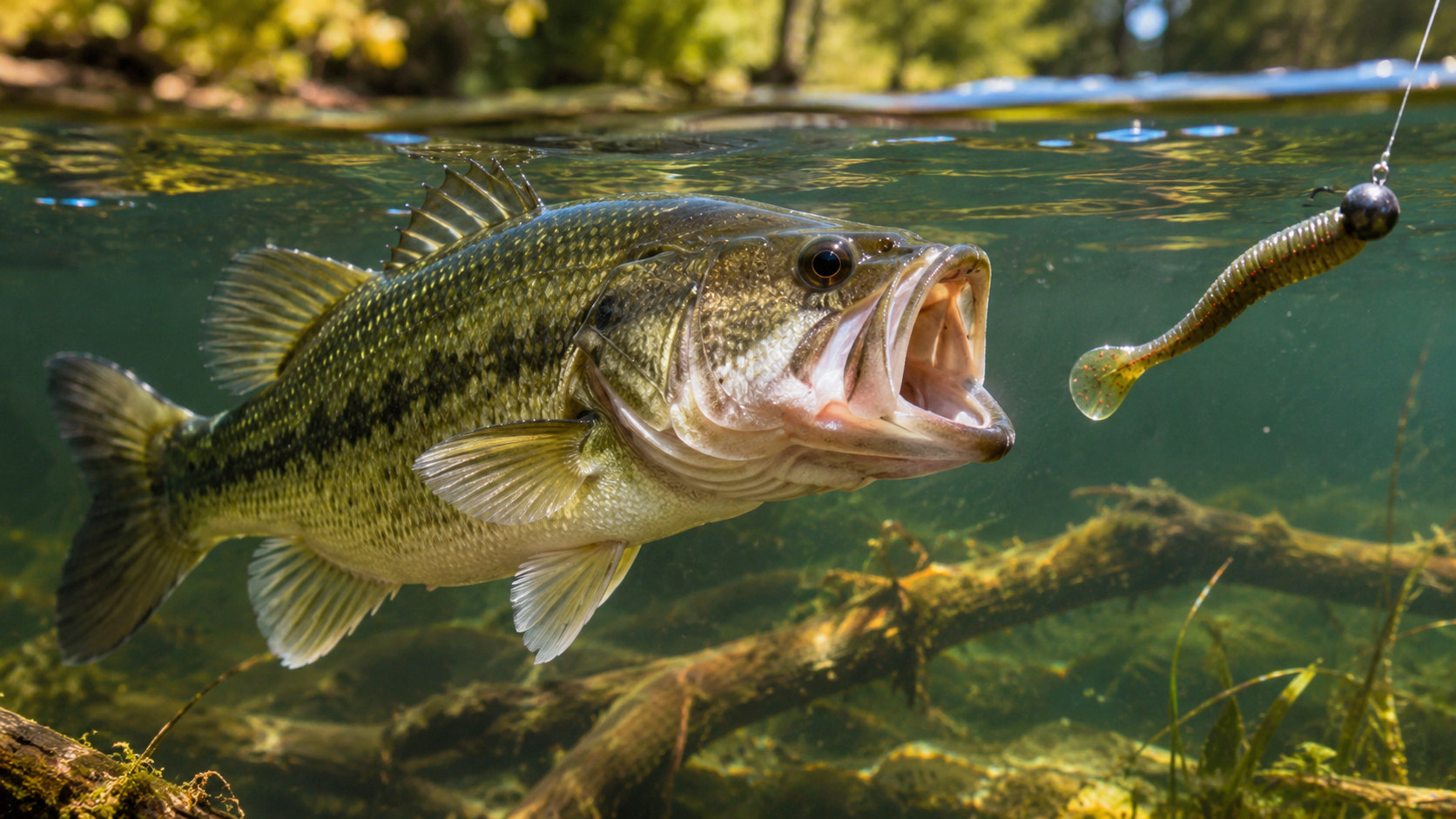
Original photo-style illustration of a largemouth bass approaching a soft-plastic lure underwater

What the evidence says: Bass use smell and taste to detect chemical cues, but the catch-rate effect of any particular commercial scent product cannot be assumed. Research on bass and lure scents is limited and context-dependent. Good location, appropriate tackle and presentation still matter.

Six Practical Bass Fishing Scent Guides

How bass encounter chemical cues

1. How Bass Detect Scent and Taste

Understand what chemical cues can—and cannot—tell a bass.

Read Detailed Guide

Scented and unscented soft plastics

2. Scented Versus Unscented Soft Plastics

Make thoughtful bait choices without overstating the benefits.

Read Detailed Guide
Apply scent sparingly and safely

3. Applying Sprays, Gels and Liquid Attractants

Use products as labeled and avoid preventable mess or contamination.

Read Detailed Guide
Presentation still comes first

4. When to Try Scent—and When Not To

Treat scent as a secondary experiment after lure location and presentation.

Read Detailed Guide
Compare products and claims

5. Comparing Products and Marketing Claims

Evaluate ingredients, usefulness, cost and environmental considerations.

Read Detailed Guide

Record controlled on-water comparisons

6. Build Your Own On-Water Scent Test

Gather honest observations before recommending any product.

Read Detailed Guide

Complete Five-Step Guides

1. How Bass Detect Scent and Taste
How bass encounter chemical cues

Understand what chemical cues can—and cannot—tell a bass.

  1. Separate smell from taste. Fish can detect dissolved chemicals through olfaction and can sample substances through taste after contact. This does not mean every strong-smelling human product attracts bass.
  2. Start with the fish, not the bottle. Locate bass using structure, depth, forage and seasonal conditions. A scent product does not replace fishing where bass actually are.
  3. Consider water movement. Current can carry dissolved cues away from a bait. Wind and water flow may influence exposure, but do not assume that scent creates a long-distance trail.
  4. Think about lure contact. A bass may inspect a lure and reject it quickly. Texture, size, hook placement and retrieve can matter alongside any chemical signal.
  5. Judge claims carefully. Some commercial products make stronger performance claims than independent bass-specific field studies can establish. Treat scent as one optional variable.
2. Scented Versus Unscented Soft Plastics
Scented and unscented soft plastics

Make thoughtful bait choices without overstating the benefits.

  1. Select a familiar profile. Start with a worm, craw, tube or finesse bait that already matches your fishing conditions.
  2. Compare like with like. For a fair comparison, choose baits with similar size, shape, color, action and rigging whenever practical.
  3. Understand built-in scent. Factory-scented soft plastics can differ in material, texture and scent-release properties. These differences make a perfect scent-only comparison difficult.
  4. Keep specialty plastics separate. Follow package directions; incompatible soft-plastic materials can deform or melt when stored together.
  5. Track actual bites. Observe strikes, landed fish, short bites and hookups over several sessions. Do not assume a single good day proves superiority.
3. Applying Sprays, Gels and Liquid Attractants
Apply scent sparingly and safely

Use products as labeled and avoid preventable mess or contamination.

  1. Read the label first. Confirm that the product is intended for freshwater fishing and suitable for the lure material you are using.
  2. Apply away from equipment. Use a small amount directly on the bait where permitted. Keep liquids off electronics, reel drags, boat decks and trailer surfaces.
  3. Avoid contaminating other gear. Close the bottle promptly; keep treated baits in a designated container rather than coating an entire tackle box.
  4. Reapply by product directions. Water exposure and repeated casting may remove coatings. Do not guess at universal reapplication intervals.
  5. Wash and pack out. Clean your hands before handling food or fish, and secure used applicators and packaging for proper disposal.
4. When to Try Scent—and When Not To
Presentation still comes first

Treat scent as a secondary experiment after lure location and presentation.

  1. Start with productive water. Check visible cover, bottom changes, current seams or baitfish activity before changing additives.
  2. Try it with slower presentations. Finesse worms, jigs and other lures that pause near bass offer a convenient way to compare treated and untreated retrieves.
  3. Keep the retrieve consistent. Maintain the same depth, casting angle, lure profile and pace during matched comparisons.
  4. Change one variable. If you switch lure color, retrieve speed and scent at once, you cannot tell which change mattered.
  5. Stop using unhelpful products. If the scent creates mess or shows no repeatable benefit, focus on fundamentals such as lure placement and hook quality.
5. Comparing Products and Marketing Claims
Compare products and claims

Evaluate ingredients, usefulness, cost and environmental considerations.

  1. Identify the formulation. Products may be scented soft plastics, sprays, gels or liquids. Their delivery method can differ substantially.
  2. Look for clear directions. Prefer products that specify compatible lures, application methods, storage and appropriate precautions.
  3. Distinguish claims from evidence. A claim such as “holds fish longer” or “catches more” should not be treated as a guarantee without credible supporting tests.
  4. Consider total cost. Compare useful applications per container, leakage risk and storage requirements—not simply the purchase price.
  5. Protect fish and habitat. Retrieve loose soft plastics whenever safely possible. Do not discard used baits, liquids, or containers into the water.
6. Build Your Own On-Water Scent Test
Record controlled on-water comparisons

Gather honest observations before recommending any product.

  1. Set up two comparable treatments. Use the same rig and lure model where possible: one treated with the labeled amount of scent and one untreated.
  2. Alternate treatment order. Switch treated and untreated presentations across spots and sessions to reduce location and time-of-day bias.
  3. Log conditions. Record date, water conditions, cover, lure, casting time, bites, hookups and landed bass for each treatment.
  4. Use repeat sessions. A few casts or one outing cannot establish a reliable catch-rate advantage. Repeat in varied but comparable conditions.
  5. Report findings modestly. Describe what happened and the sample size. Do not promise that every angler will get the same results.

Printable Bass Scent Comparison Field Card

Use the same fishing time and as similar a lure as possible. Record bites and landed bass separately.

Location / water: ______________________________

Conditions / date: _____________________________

Lure / rig: __________________________________

Results — Scented: casts/time _____ bites _____ landed _____

Results — Unscented: casts/time _____ bites _____ landed _____

Notes: _________________________________________________________

Further Reading & Research

Sources are provided to help readers distinguish research findings from commercial claims.

Editorial standard: No brand is recommended or paid to appear in this draft. We have not independently field-tested any product for this article.